
Is Portugal Expensive? A Real 2026 Budget Guide
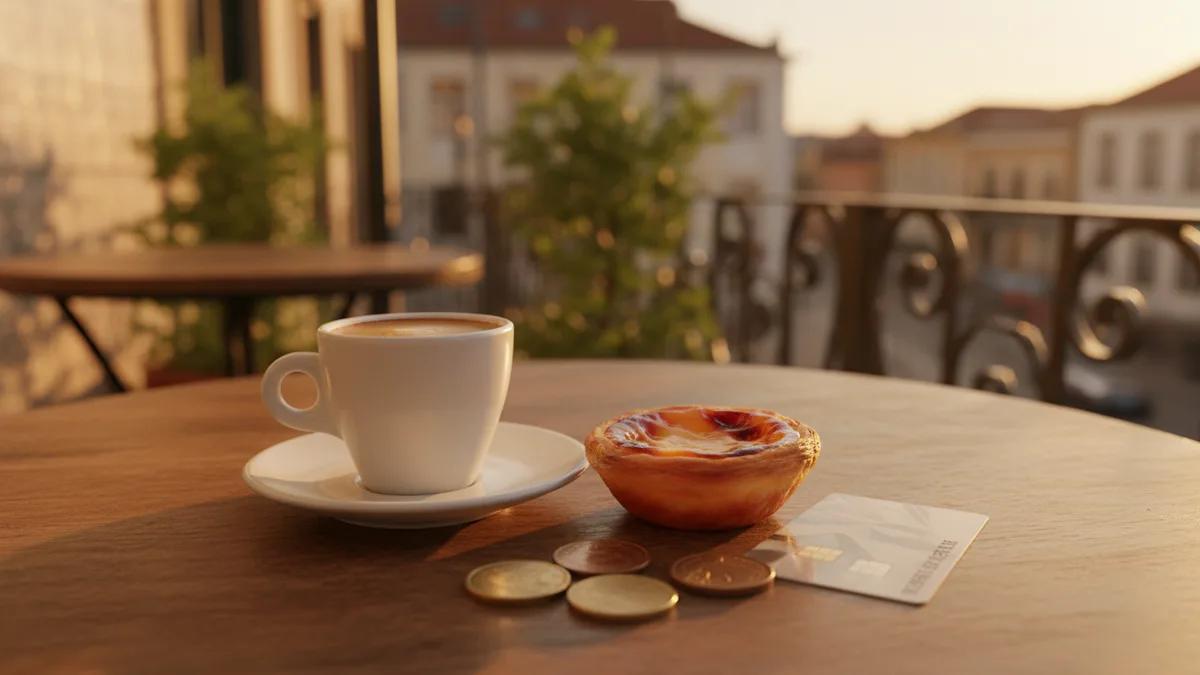
Short answer: Portugal is still one of Western Europe's best-value destinations, but it is not the bargain it was five years ago. Prices have risen with the tourism and digital-nomad boom, and Lisbon plus the coastal Algarve are now noticeably pricier than the interior and the north. Plan carefully and you can travel comfortably for far less than in Spain, France or Italy. Turn up expecting 2018 prices and you will be surprised.
Here is what things actually cost in 2026, with three sample daily budgets and honest tips to keep the total down.
The quick verdict
For a Western European country, Portugal remains good value. Everyday food, coffee, wine and public transport are cheap by regional standards, and a satisfying meal need not cost much. Where costs have climbed is accommodation in the hotspots, especially central Lisbon and the beach towns of the Algarve in July and August. If your trip leans on those two areas in peak summer, your budget will feel more like the rest of Western Europe. Balance them with Porto, the Alentejo or the interior and your money goes a lot further.
What food and drink really cost in 2026
Portugal's cafe and tasca culture is where the value shows. Typical 2026 prices:
- Coffee (a bica, the Portuguese espresso): about 0.80 to 1.20 EUR at a normal cafe, creeping to 1.50 EUR or more on a tourist plaza.
- Pastel de nata: 1.10 to 1.50 EUR. The famous Pasteis de Belem charge a touch more.
- Small draught beer (an imperial): 1.50 to 2.50 EUR in a bar or restaurant, cheaper from a supermarket.
- A glass of house wine: often 2 to 4 EUR, and a decent bottle in a restaurant can start around 12 to 15 EUR.
- Prato do dia (dish of the day) lunch: 8 to 12 EUR, frequently including soup or bread, a main, a drink and a coffee. This is the single best value in the country.
- Dinner out: usually 18 to 35 EUR per person at a mid-range restaurant, before wine.
- Groceries: a week of breakfast basics (bread, butter, jam, coffee, milk, fruit) for one person runs roughly 12 to 22 EUR, so self-catering slashes costs.
Accommodation: where budgets rise or fall
This is the line item that decides whether Portugal feels cheap or not.
- Hostel dorm bed: 15 to 30 EUR a night, higher for top-rated Lisbon hostels in summer.
- Guesthouse or private room: 50 to 100 EUR depending on city and season.
- Mid-range hotel: around 100 to 150 EUR a night in central Lisbon or Porto's Ribeira, and clearly cheaper in smaller towns.
Season matters enormously. A mid-range Lisbon hotel around 100 EUR in November can climb to 180 to 220 EUR in July. Booking four to six weeks ahead in the shoulder season can cut 30 to 40 percent off peak rates. For the numbers behind timing your visit, see our guide to the best time to visit Portugal.
Getting around
Intercity travel is a bargain if you book early:
- Lisbon to Porto by train: the Alfa Pendular or Intercidades runs roughly 26 to 36 EUR for a standard single, but advance fares on the CP website can drop to under 10 EUR.
- Lisbon to Porto by bus (Rede Expressos or FlixBus): as low as 8 EUR booked ahead, typically 15 to 25 EUR.
- City transport: a single metro or bus ticket in Lisbon is about 1.80 to 2.20 EUR, and a 24-hour unlimited pass covering metro, buses and trams is around 7.25 EUR.
For more on trains, buses, trams and driving, read getting around Portugal.
Attractions and tours
Sightseeing is where costs can jump if you are not selective:
- Jeronimos Monastery, Lisbon: entry from around 18 EUR.
- Belem Tower: from around 16 EUR.
- Pena Palace in Sintra: about 20 EUR for the full palace ticket, 12 EUR for the park only.
- Douro Valley wine tours from Porto: day trips commonly start around 39 EUR, with a good winery visit and tasting often 30 to 40 EUR per person; premium experiences run far higher.
- Algarve boat trips to the islands or caves: the public Animaris ferry is around 10 EUR, while speedboat cave tours run 15 EUR and up.
If you plan to hit several Lisbon museums in a day, a city pass can pay for itself, since it bundles entry with transport.
Three sample daily budgets
Per person, per day, excluding flights and the cost of getting to Portugal.
Backpacker / budget: about 45 to 75 EUR
Hostel dorm (15 to 30 EUR), a prato do dia lunch and a supermarket dinner, free viewpoints and walking, and one paid attraction every couple of days. Move between cities on advance-booked buses.
Mid-range: about 120 to 200 EUR
A private room or mid-range hotel (80 to 150 EUR), lunch out and a relaxed dinner with wine, a couple of paid attractions, and comfortable intercity trains. This is where most travellers land.
Comfortable: about 250 EUR and up
A well-located 4-star hotel, restaurant meals without watching the bill, guided tours such as a Douro wine day trip, taxis or ride-hailing when convenient, and peak-season flexibility. Coastal Algarve resorts in August push this figure higher.
Regional cost differences
Portugal is not one price. Broadly:
- Priciest: central Lisbon and the coastal Algarve, especially July and August.
- Mid: Porto and the surrounding north, plus popular Sintra day trips.
- Best value: the Alentejo, the interior, and smaller towns across the north, where meals, rooms and coffee can run 20 to 40 percent below Lisbon.
A trip that mixes a few Lisbon days with time in Porto and a slower inland stretch gives you the highlights without an all-hotspot budget. Our Portugal travel tips cover more on planning that balance.
Money-saving tips that actually work
- Eat your big meal at lunch. The prato do dia is the cheapest good food in Portugal, often half the price of the same plate at dinner.
- Travel in shoulder season (April to June, or September to October). Weather is still good and accommodation drops sharply.
- Use Multibanco ATMs, not Euronet. Bank-operated Multibanco machines are part of Portugal's fee-free national network, while the bright blue-and-yellow Euronet machines in tourist areas charge 4 to 5 EUR plus poor exchange rates. For more on paying smart, see money in Portugal.
- Drink the tap water. It is safe across the country, so you can skip buying bottles.
- Enjoy the free stuff. Miradouros (viewpoints), churches, beaches and old-town wandering cost nothing and are half the pleasure of Portugal.
- Sort your connectivity before a roaming bill sorts it for you. If your phone plan is not from an EU or UK network, data roaming in Portugal is charged per megabyte and is one of the classic hidden costs of a trip here. A local Portugal eSIM is a small fixed price that removes the risk entirely. Check the real numbers in our guide to roaming charges in Portugal, and if several people are travelling together, a rented pocket WiFi can be cheaper still since one device covers the whole group. Not sure which suits you, compare eSIM vs pocket WiFi vs SIM.
So, is Portugal expensive?
No, not compared with most of Western Europe, but it is no longer cheap either. Budget travellers can comfortably manage on 45 to 75 EUR a day, mid-range trips sit around 120 to 200 EUR, and Portugal rewards anyone who eats the lunch special, times the visit well, and looks beyond the two priciest corners. Lock in your accommodation early, avoid Euronet ATMs, and keep your phone off roaming, and Portugal stays one of the best-value trips in the region.
Skip the roaming bill on your Portugal trip
A local eSIM or a rented pocket WiFi is a small fixed cost that keeps you online without per-megabyte surprises.
Frequently asked questions
Is Portugal expensive to visit in 2026?
Portugal is still one of the better-value destinations in Western Europe, but it is no longer dirt cheap. Expect roughly 45 to 75 EUR per day as a budget traveller, 120 to 200 EUR mid-range, and 250 EUR or more for comfortable travel, per person and excluding flights. Lisbon and the coastal Algarve are the priciest areas; Porto, the north, the Alentejo and the interior are noticeably cheaper.
How much does food cost in Portugal?
A coffee (bica) is about 0.80 to 1.20 EUR, a pastel de nata 1.10 to 1.50 EUR, and a small draught beer 1.50 to 2.50 EUR. A prato do dia lunch, often with bread, a drink and coffee, runs about 8 to 12 EUR, while a sit-down dinner out is usually 18 to 35 EUR per person.
Is Lisbon or Porto cheaper?
Porto is generally cheaper than Lisbon for accommodation, dining and drinks, though the gap has narrowed as Porto's popularity grows. Both coastal cities cost more than inland regions like the Alentejo or the interior north, where prices can be 20 to 40 percent lower.
How can I avoid extra costs on a Portugal trip?
Eat the prato do dia at lunch, travel in shoulder season, use fee-free Multibanco ATMs instead of Euronet machines, drink tap water, and enjoy the many free viewpoints. Also set up a local eSIM or pocket WiFi before you travel so you avoid surprise mobile roaming charges. If you are unsure how much mobile data you will need, see how much data do I need in Portugal.
Will I get roaming charges using my phone in Portugal?
If your plan is not from an EU or UK network, using data in Portugal can trigger roaming fees charged per megabyte, which add up fast. A local Portugal eSIM or a rented pocket WiFi is a small fixed cost that removes that risk entirely. A data SIM card for Portugal is another option if you prefer a physical SIM.